


Is Rio de Janeiro Overrated? Part I, My Initial Feeling of the City
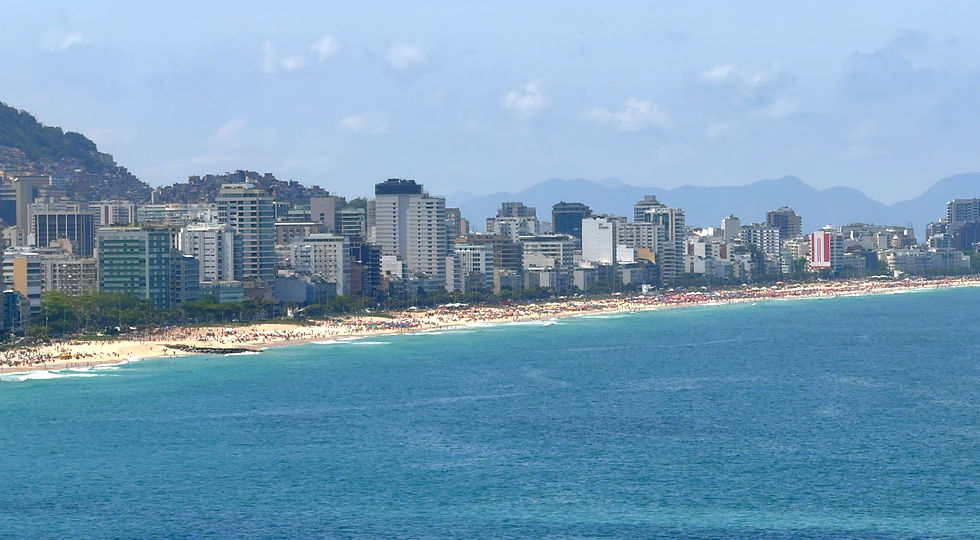
When people talk about visiting Brazil most actually mean visiting Rio de Janeiro (or “Rio”), with classic images of its iconic Christ the Redeemer statue, beautiful long beach coastline and handsome, muscular Brazilian hunks playing volleyball under the sun. It is the country’s most popular city for visitors around the world.
While all of that is true - to a certain extent - as I find out the reality tells a somewhat different story.
After years of cultivating to visit the country, I finally made it this September in 2026.
Going on a trip like that takes a lot of preparation, it’s definitely not a “grab and go” kind of thing like a weekend trip to Taipei or Bangkok.
First you need a jab for Yellow Fever and ideally, Hepatitis A, that need booking weeks before the trip, and be ready for some uncomfortable side effects.
Then you need to dig out your winter - or summer - clothes as they are on the opposite side of the earth! When I went, half the time was below 18 degrees centigrade, not the hot sunny images that I had in mind.
The most challenging part is the flight. From Hong Kong it takes 30 hours or more to get there. I had booked Emirates Business Class but changed to First when I realised they were still flying those old Boeing 777s with non-flat seats, as South America is NOT considered their first tier destination. So be prepared to spend between HKD50,000 and HKD120,000 on premium class tickets so you fly in comfort. It would be the ultimate torture if you fly Economy.


I stayed 9 days there and originally booked an Ocean Suite at Sheraton. As a premium traveller Sheraton is usually low on my list. But even this one costs a whopping HKD4500 per night. There are no truly world-class luxury hotels there like Four Seasons. The closest are Copacabana Palace and Hotel Fasano, costing HKD7500 and HKD5500 per night respectively. They are both “top-rated” but don’t look the part from their website photos, so I skipped.

My Sheraton room is basic, with no amenities and the facilities are tired. The only good thing is the view, which directly faces the ocean and overlooks the beautiful beach coastline. But the room had one major flaw - a door connecting to another room. I could hear the family next door all night long. After just two days I moved to Hilton by the coast in town. It turned out to be just as bad, but at least saved me some money (HKD3500 a night).

No matter how I see it, none of these hotels justify what they charge. Hilton had the same noise problem even though there was no connecting door in my room. And it was just as tired as Sheraton. Service was good at the restaurant, but elsewhere was just OK. The takeaway is that Rio hotels are brutally expensive so be prepared to plan big in your budget.

When travelling in Rio the number one thing to consider is safety, as any travel website will tell you. The only “safe” place seems your hotel room - provided you stay at a good one! In cheaper hotels they advise you to bring your own padlock and be aware of those following you into the lift. While personally I never felt unsafe in the hotels, I was constantly reminded by the staff to be careful. For example I was once checking my iPhone right outside the entrance and standing next to the security guard, and he told me better to do it INSIDE the hotel!
The Ipanema area where my hotel is located is considered the safest part of the city. But even then it’s limited to the coastline only. I’ve walked “inland” into the streets to buy food, and did feel a somehow sober atmosphere.


I went to the city centre (Centro) on my 3rd day to see the Independence Day Grand Military Parade, which was brilliant and highly recommended. Since all roads were closed the only option was to take the Metro train. It was one of the most scary experiences since it’s against all advice (of not travelling on Metro and by Uber point to point only). From entering the station to the actual 18-minute journey it felt ordinary - certainly not the hell I imagined. A bit like Paris perhaps, old but functional.


With so high a stake concerning personal safety and so high the costs of travelling and accommodations, why are people still flocking there like a magnet?
(See my answers in Part II)
Comments